
AQA · OCR A
Structure & bonding
Start with the structure, shape or intermolecular-force idea that is least secure, then use the exam practice to join the reasoning together. Year 13 extensions sit in their own section below.
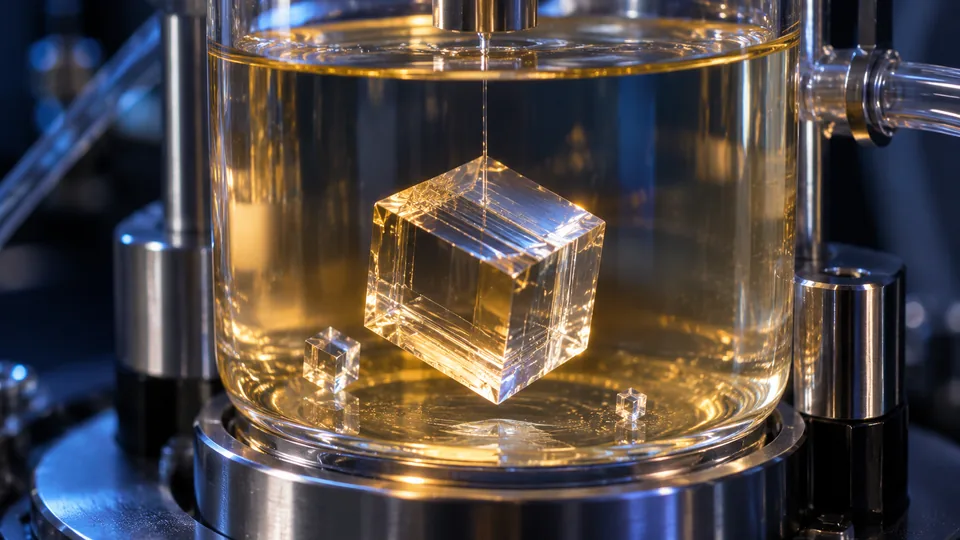
Build it, then use it in exam questions
Use the labs to decide what particles are present, what holds them together and what that predicts. Then practise writing the same reasoning in exam language.
Structure LabStructure, melting, conductivity and deduction →
Shape LabElectron regions, lone pairs, 3-D shape and bond angles →
Polarity & IMF LabBond dipoles, molecular polarity, London forces, hydrogen bonding and boiling points →
Bond BuilderIonic electron transfer, shared pairs, multiple bonds, lone pairs and dative arrows →
Exam practiceOriginal questions for AQA and OCR A, difficulty filters and mark-point feedback →
Year 13 · full A level only
Continue with Year 13 bonding
Year 13 extends the same bonding ideas into lattice energetics, transition-metal complex ions and delocalised bonding in benzene.
Keep the levels separate
Bonding answers often lose precision when three levels get mixed together: how particles form, bonding within a structure, and forces between molecules. Keep those levels separate and the property explanations become much easier to write.
Want faster retrieval?
Use the arcade games once the reasoning is secure. The labs are deliberately slower and more diagnostic.
For shells, subshells and orbital filling, use the electron configuration lab.